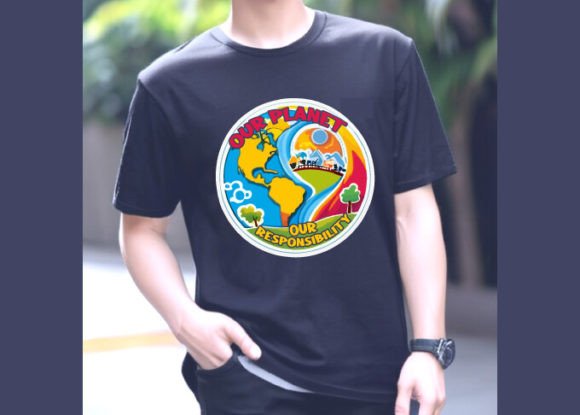
Climate Change T-Shirt Design 8: Wear Your Eco-Friendly Statement
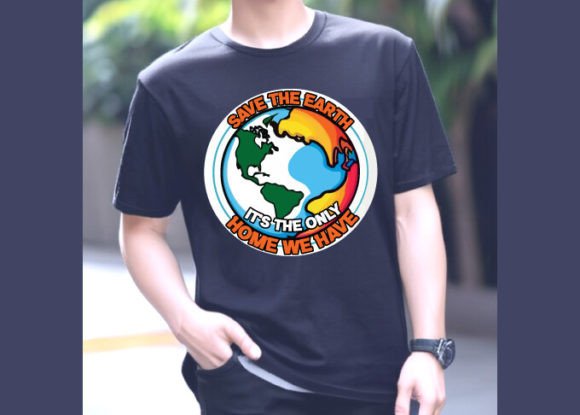
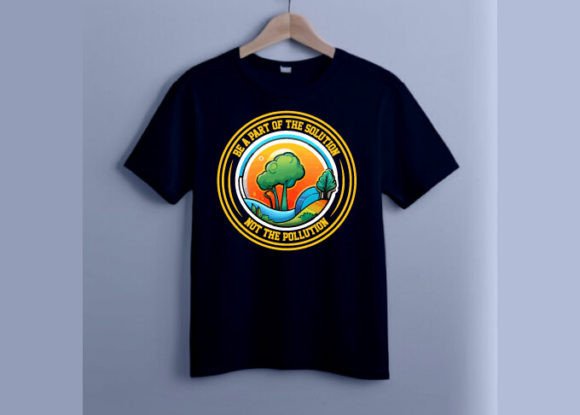
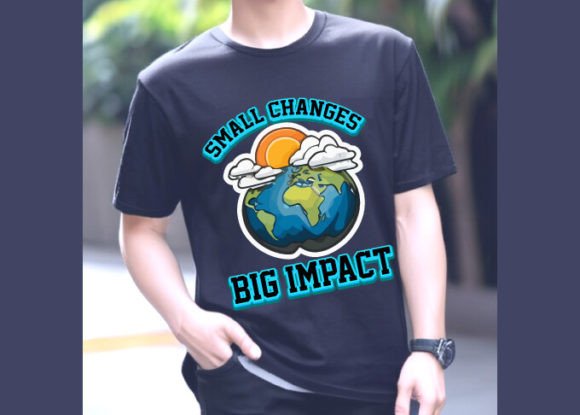
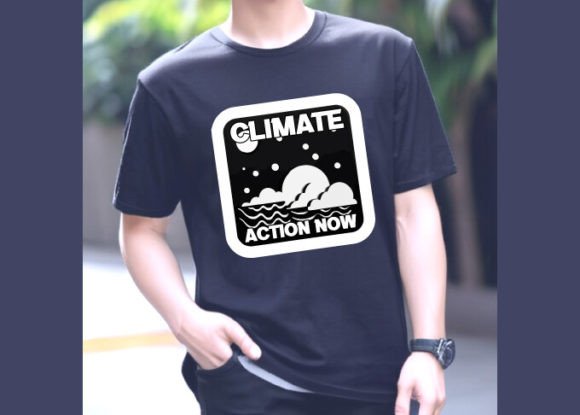
In a world saturated with visual noise, how do you make a message stick? For environmental advocates, artists, and conscious brands, the answer often lies in wearable art that carries weight. Climate Change T-Shirt Design 8 is more than just a graphic; it's a conversation starter, a wearable petition, and a bold visual statement about our planet's future. This particular design distills complex urgency into a striking, ready-to-wear format, offering a powerful tool for anyone looking to project their values through their apparel or merchandise line.
Visual Appeal and Versatility for Modern Brands
What makes this design stand out in a crowded market of eco-themed graphics? Its strength lies in its balance of artistic impact and practical flexibility. The artwork is crafted with high-quality, 300 dpi graphics in RGB color mode, ensuring vibrant reproduction on screens and in print. The use of vector shapes means every line and curve remains crisp at any size, a critical feature for designers who need to scale the motif from a small chest logo to a full-back print without losing detail.
The true versatility emerges in its adaptability. The design is engineered to be simple to recolor, allowing you to match it seamlessly to your existing brand palette or seasonal campaign themes. Imagine it in earthy greens and browns for a grounded, organic feel, or in stark, high-contrast black and white for maximum impact at a rally. This adaptability transforms it from a single-use asset into a core component of a larger visual identity. It’s a premium design asset that functions as a creative font for imagery—providing a distinct voice that can be tuned to different contexts.
From T-Shirts to Total Brand Ecosystems
While the name suggests a single application, the potential uses for this artwork extend far beyond apparel. For the small business owner or creative entrepreneur, it’s a foundational element for building a cohesive brand around environmental consciousness. Here’s how it can be integrated into a broader strategy:
- Merandise and Product Lines: Beyond t-shirts, the design is ready for direct application on mugs, pillows, bags, stickers, and posters. This allows for the quick creation of a coordinated product line that reinforces your brand’s mission at every touchpoint.
- Marketing and Social Media Assets: Use the graphic as a hero image on your website, a powerful header for your blog posts about sustainability, or as a series of engaging social media posts. Its high-impact visual nature is built for platforms like Instagram and Pinterest, where strong imagery drives engagement.
- Packaging and Print Materials: Incorporate the design into your product packaging, making the unboxing experience a statement in itself. It can also elevate flyers for environmental events, educational materials, or thank-you cards for customers, adding a layer of professional presentation and brand recognition.
- Digital Products and Editorial Layouts: For bloggers and content creators, it can serve as a compelling featured image for articles on climate action. It can also enhance the visual appeal of digital downloads, e-books, or online course materials focused on ecology and sustainability.
By using this single, powerful design consistently across multiple platforms and products, you build a visual consistency that makes your brand instantly recognizable and deeply associated with its core values.
Practical Integration: Making the Design Work for You
Adopting a strong graphic asset is just the first step. To maximize its value, consider these practical implementation tips. First, think about font pairing if you plan to add text. The design’s bold, likely illustrative style pairs well with clean, sans-serif fonts for modern clarity or a rugged, handwritten font for a more grassroots feel. Test combinations to ensure readability and that the typography complements—not competes with—the artwork.
Next, consider your production method. The file is optimized for various printing techniques, from direct-to-garment (DTG) for detailed tees to sublimation for vibrant all-over prints. Understanding your printer’s requirements will help you prepare the file correctly, ensuring the final product matches the quality of the digital design.
Finally, review the commercial licensing implications. If you plan to sell products featuring this design, ensure you understand the license granted with your purchase. Typically, such assets allow for the creation of end products for sale, but it’s your responsibility to verify this aligns with your business model. This due diligence protects your investment and allows you to confidently build your product line.
Ultimately, Climate Change T-Shirt Design 8 offers a rare combination of emotional resonance and technical robustness. It provides a ready-made visual language for a cause that demands attention, empowering you to build a brand, launch a product, or amplify a message with both aesthetic appeal and integrity. It’s not just a design; it’s a tool for meaningful visual communication in an era that urgently needs it.